
For many people, drugs and alcohol are used to help cope with the symptoms of post traumatic stress disorder PTSD, often referred to as “self-medicating.” The problem with self-medicating is that it can exacerbate and intensify underlying PTSD symptoms. Na Masta Sober understands the 3 c’s of addiction and that treating both PTSD and addiction is critical to helping you create a life that is worth living. Mental health and substance use disorders can significantly impact your overall quality of life. Treating both types of disorders simultaneously can help you live a life free from addiction and minimize your symptoms of PTSD and other mental illnesses. Na Masta Sober PTSD treatment center in Arizona offers a variety of options tailored to you and your specific needs.

Posttraumatic stress disorder or PTSD is a mental health disorder that affects many people in the United States. Roughly 6% of the U.S. population will develop PTSD at some point throughout their lives. The symptoms of PTSD can range in severity and, if left untreated, can cause impairment in your ability to perform daily tasks, maintain healthy relationships, be successful in your job, and other difficulties. Fortunately, PTSD and addiction treatment in Arizona is available, and if you are one of the many Americans struggling with the disorder, help is always within reach.
There is an undeniable correlation between PTSD and addiction to drugs and alcohol. It may be surprising to learn that 46.4% of individuals with PTSD also meet the criteria for a substance use disorder. If you experience both a mental health and substance abuse disorder, it is considered a dual diagnosis. At Na Masta Sober, we understand the importance of addressing both mental health and substance use disorders and can incorporate both into your PTSD treatment in Arizona.
PTSD
Certain risk factors can make you more likely to develop PTSD. These risk factors include:
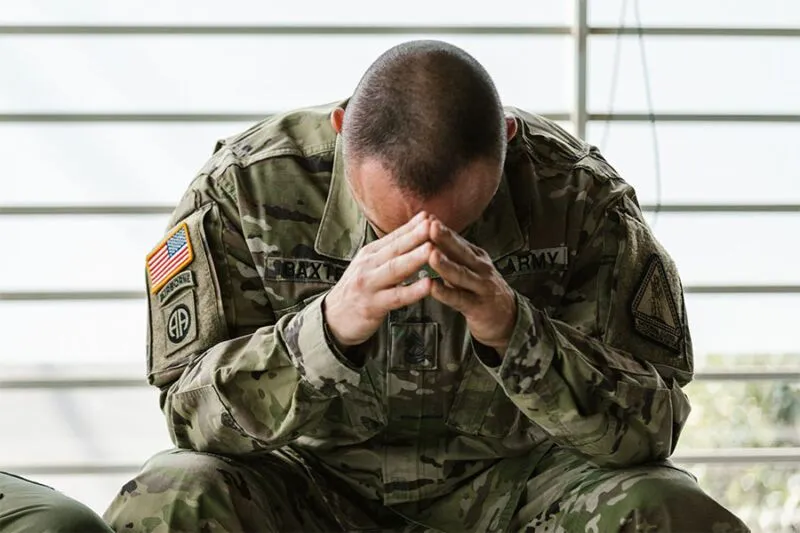
Symptoms of PTSD range in severity and can impact each person differently. Symptoms usually begin within three months after the traumatic event; however, they can develop after that time. Common symptoms of PTSD include:
Addiction Treatment
Symptoms of addiction also range in severity and can cause significant problems in your life. Common symptoms include:

Therapy Options Used in PTSD Treatments
Both PTSD and addiction can be effectively treated at our sober living Scottdale home. Developing a treatment plan that addresses your unique needs is crucial to helping you overcome mental illness and addiction challenges. Because each individual has their own experiences, treatment plans are customized to you and incorporate factors such as your symptoms of PTSD, history of addiction (including types of drugs used, amount used, and length of use), as well as your current support system and future recovery goals.
Evidence-based treatment options include a combination of therapy and approved medications and other ancillary services such as case management services and support groups. Common therapies used to treat PTSD include:

Medications can help stabilize withdrawal symptoms from drugs and alcohol and help manage symptoms of PTSD and other mental illnesses. Common medications used to treat addiction include naltrexone, methadone, buprenorphine, and disulfiram. Common medications used to treat PTSD can include Zoloft, Paxil, Effexor, and Prozac.
PTSD Treatment in Arizona
Na Masta Sober offers mental health treatment within our intensive outpatient programs (IOP) and partial hospital programs (PHP). Na Masta Sober also offers several sober living homes for both men and women including our sober living Tucson home. High quality of life is possible.
contact with our for admissions representative today or complete our online form. At Na Masta Sober centers, we understand that PTSD can’t wait and offer comprehensive treatment services, addressing your mental health and addiction needs.